Diving into Web3: My Journey, Challenges, and Solutions
Beginner’s Guide to Web3

I am a software engineer with a strong background in competitive programming and backend focused development.
I graduated in IT from Army Institute of Technology, Pune (2025) and currently work at NxtWave, where I build and review technical content around data structures, algorithms, and problem solving.
My recent work is focused on smart contract and protocol development using Solidity and Foundry. I enjoy building systems where correctness, security, and clear invariants matter such as token vesting, staking mechanisms, and upgradeable protocols.
Earlier, I spent several years in competitive programming (Codeforces Expert, 5★ CodeChef), which shaped how I approach problem solving, edge cases, and testing.
On this blog, I write about the design and implementation of smart contracts, testing strategies, and engineering tradeoffs I encounter while building Web3 protocols.
Over the past day, I've embarked on an exciting journey into Web3 technology. This blog post details the foundational knowledge I've acquired, the challenges I've faced, and the solutions I’m exploring to address these issues
What I’ve Learned
1. Blockchain Basics
Description: Blockchain is a decentralized, immutable ledger that ensures transparency and security in digital transactions.
Key Points: Decentralization, immutability, and the benefits of a distributed ledger.
2. Characteristics of Blockchain
Description: Blockchain’s core features include its decentralized nature, immutability, and consensus mechanisms.
Key Points: How these features contribute to the security and efficiency of blockchain technology.
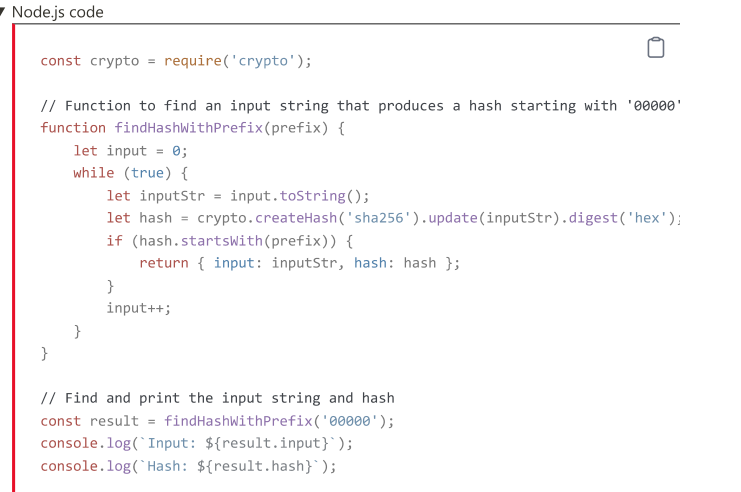
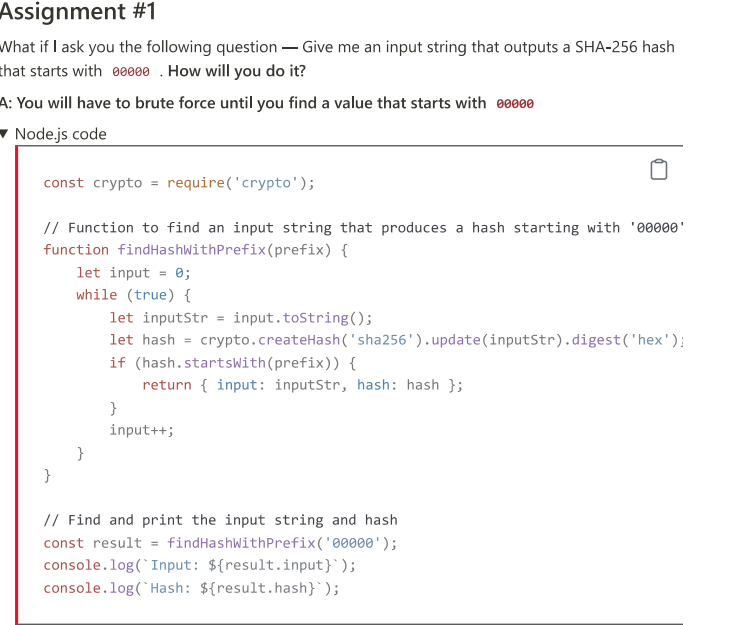
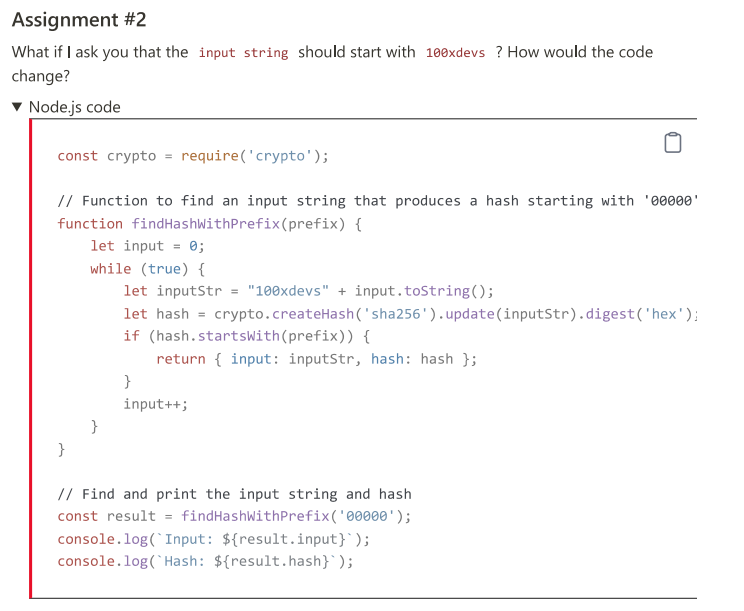
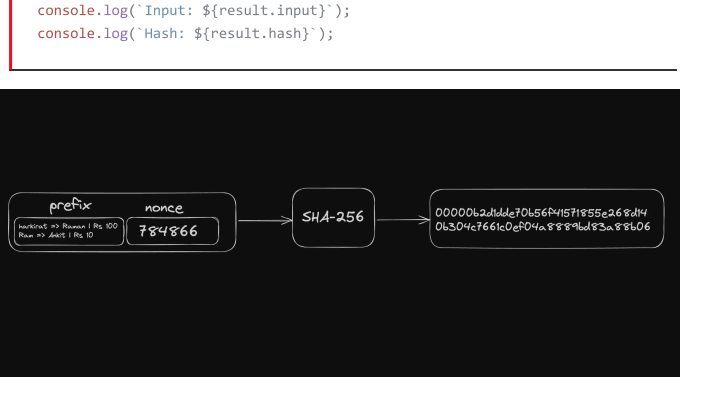
3. Hashing & SHA-256
Description: Hashing algorithms, such as SHA-256, convert data into fixed-size strings, providing security and integrity.
Key Points: The role of SHA-256 in maintaining the immutability of blockchain data.
4. Encryption
Description: Encryption safeguards data within a decentralized system, ensuring confidentiality and security.
Key Points: How encryption mechanisms work within blockchain technology.
5. Proof of Work (PoW)
Description: PoW is a consensus mechanism where miners solve complex puzzles to validate transactions, securing the blockchain.
Key Points: The balance between security provided by PoW and the energy required.
6. Computational Power
Description: The immense computational power needed for PoW and its implications for blockchain networks.
Key Points: How computational power impacts blockchain efficiency and scalability.
Problems Encountered
1. Energy Efficiency in PoW
Description: Understanding the trade-offs between blockchain security and energy consumption.
Challenge: Balancing the high energy usage of PoW with the need for secure and decentralized systems.
2. Complexity of Cryptographic Concepts
Description: Grasping advanced cryptographic techniques used in blockchain.
Challenge: The intricate nature of cryptographic algorithms and their implementation in real-world applications.
3. Balancing Decentralization with Scalability
Description: Maintaining decentralization while ensuring the blockchain can scale effectively.
Challenge: Finding solutions that allow for growth without compromising the core principles of decentralization.
Solutions and Insights
1. Addressing Energy Efficiency
Potential Solutions: Exploring alternative consensus mechanisms like Proof of Stake (PoS) that offer energy-efficient alternatives to PoW.
Insights: PoS reduces energy consumption by eliminating the need for extensive computational work.
2. Understanding Cryptographic Concepts
Potential Solutions: Engaging with educational resources, tutorials, and interactive tools to better understand cryptographic techniques.
Insights: Building a strong foundational knowledge through structured learning can simplify complex concepts.
3. Balancing Decentralization and Scalability
Potential Solutions: Investigating Layer 2 solutions and other scalability techniques that aim to enhance blockchain performance while preserving decentralization.
Insights: Techniques like sharding and off-chain transactions can help address scalability issues.
Assignments
1
2
3

Conclusion
The journey into Web3 technology has been both challenging and rewarding. By addressing these issues and exploring potential solutions, I am eager to continue expanding my knowledge and contributing to the evolving field of blockchain technology.
Stay tuned for more updates as I dive deeper into smart contracts, dApps, and other aspects of Web3!
THANK YOU 💐
Happy Learning !
#learninpublic #Web3 #Blockchain #LearningInPublic #TechJourney #cryptocurrency #crypto #btc#ethereum
